
The journey of gaming tracing the historical evolution of gambling
The journey of gaming tracing the historical evolution of gambling
Origins of Gambling: A Historical Perspective
The journey of gambling can be traced back to ancient civilizations, where the earliest evidence of games of chance emerged in China around 2300 BC. Archaeologists discovered tiles that were used for a rudimentary form of gambling. This activity likely served as a form of entertainment and social bonding among community members, setting the stage for future gambling practices. Ancient cultures utilized various materials, including bones and stones, as gaming implements, indicating that the allure of chance was deeply embedded in human behavior from the outset. Moreover, for those curious about bonuses, they can explore grandmondialcasinobonuses.com/ for more insights.

As societies evolved, so did the complexity of gambling. The Roman Empire introduced more organized betting practices, incorporating dice games and betting on chariot races. These activities were not only popular among the elite but also permeated the lower classes, illustrating that gambling had become a fundamental aspect of Roman leisure. The Romans established rules and structures around betting, demonstrating an early understanding of risk and reward that would later influence the development of modern gambling practices.
The Middle Ages saw the emergence of card games, which further transformed the gambling landscape. Originating in Asia, playing cards spread through Europe, leading to the establishment of various gambling houses. These early gaming establishments served as a precursor to modern casinos, offering a space for individuals to gather and engage in games of chance. The period marked a significant shift towards more structured gambling environments, laying the groundwork for the casinos we know today.
The Rise of Casinos and Their Cultural Impact
The evolution of gambling took a monumental leap in the 17th century with the establishment of the first official casinos. Venice, Italy, became home to the Ridotto, which is often regarded as the world’s first public gambling house. This venue not only offered games of chance but also created an atmosphere of luxury and social interaction, thus intertwining gambling with culture and society. The concept of casinos began to spread across Europe, becoming synonymous with high society and sophistication, showcasing how gambling was perceived as an elegant pastime.
As the 19th century rolled in, gambling houses proliferated in various forms, from riverboat casinos in the United States to opulent establishments in cities like Monte Carlo. These venues provided not only gambling opportunities but also entertainment, dining, and social engagement, cultivating a vibrant nightlife culture. The romanticized image of casinos began to take shape, influenced by literature and cinema, creating an allure that attracted individuals from all walks of life.
The cultural impact of casinos is evident in their role as social hubs. They often hosted grand events and performances, making them focal points for community gatherings. This transformation of gambling from a simple pastime to a multifaceted social experience is a testament to its enduring appeal. As regulations started to form around gambling, particularly in the early 20th century, casinos began to operate within legal frameworks, legitimizing the industry and encouraging its growth.
The Digital Revolution: Online Gambling Emergence
The advent of the internet in the late 20th century marked a seismic shift in the gambling landscape. With the launch of the first online casino in 1994, gambling was no longer confined to physical establishments. Players could now engage in their favorite games from the comfort of their own homes, a trend that rapidly gained momentum. Online platforms began to offer a wide array of games, including slots, poker, and table games, attracting a diverse audience eager for convenience and variety.
As technology advanced, so did the features of online gambling. The integration of live dealer games in the early 2000s brought the immersive experience of real casinos to the digital world. Players could interact with real dealers through video streams, adding an element of authenticity that appealed to traditionalists. Moreover, the rise of mobile gaming allowed users to gamble on-the-go, further expanding the reach and accessibility of online gambling platforms.
However, this digital boom came with challenges, including issues related to regulation and responsible gambling. Governments worldwide began to implement legislation to protect players and ensure fair play, fostering a safer environment in which to gamble. The evolution of online gambling reflects a broader trend of technological innovation, significantly altering how people perceive and engage with gambling today.
The Regulation and Ethics of Gambling
As gambling became more widespread, the need for regulation became increasingly apparent. Various governments around the world recognized the potential for abuse and addiction associated with gambling activities. In response, many countries instituted laws and regulations aimed at protecting consumers and ensuring fair practices within the industry. These regulations often include age restrictions, licensing requirements, and measures to promote responsible gambling.
Ethical considerations have also come to the forefront of gambling discussions. The growing awareness of gambling addiction has spurred the implementation of various support mechanisms for individuals struggling with compulsive behaviors. Many online casinos and gaming establishments now promote responsible gambling through self-exclusion programs, setting deposit limits, and providing access to support resources. This evolution in ethics reflects a broader societal recognition of the importance of safeguarding individuals‘ well-being.
Furthermore, the integration of technology in monitoring gambling behaviors has played a crucial role in promoting responsible gaming. Advanced algorithms and data analytics help identify problematic patterns, allowing operators to intervene when necessary. This proactive approach aims to mitigate the negative consequences of gambling while ensuring that the enjoyment of games remains a positive experience for the vast majority of players.
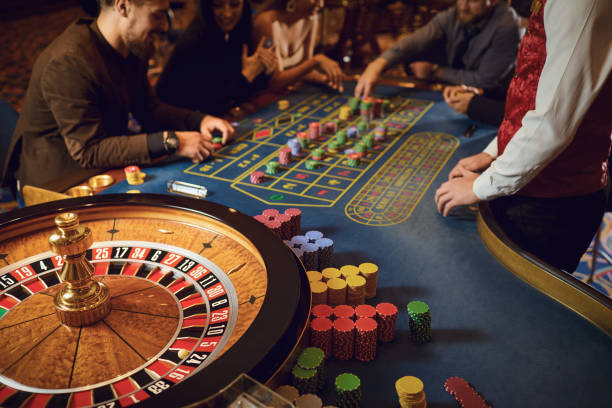
Exploring Gaming at Grand Mondial Casino
Grand Mondial Casino epitomizes the modern evolution of gambling, offering a comprehensive platform for players seeking diverse gaming options. This online casino showcases a wide array of games, including slots, table games, and live dealer experiences, all designed to cater to various preferences and playing styles. The user-friendly interface allows players to navigate effortlessly through different sections, enhancing their overall gaming experience.
In addition to its extensive game selection, Grand Mondial Casino provides numerous bonuses and promotional offers aimed at enriching the player experience. These include welcome bonuses, free spins, and cashback deals, each carefully crafted to attract and reward players. The clear guidelines surrounding wagering requirements ensure that players are well-informed and can track their progress effectively, promoting transparency and trust within the gaming environment.
Ultimately, Grand Mondial Casino embodies the fusion of tradition and innovation in the gambling world. By leveraging modern technology and upholding ethical standards, it serves as a premier destination for online gaming enthusiasts. The platform not only pays homage to the rich history of gambling but also embraces the future, making it an essential part of the ongoing journey of gaming.