
The social implications of casinos in modern society
The social implications of casinos in modern society
The Economic Impact of Casinos
Casinos play a significant role in the economic landscape of many communities, often serving as a vital source of revenue. They generate substantial tax income for local governments, which can be used to fund essential services such as education, healthcare, and infrastructure. The influx of tourists attracted by casinos also boosts local businesses, from restaurants to hotels, creating a ripple effect that benefits the broader economy. In cities like Las Vegas and Atlantic City, casinos are central to the economic ecosystem, driving growth and job creation. For instance, if you’re looking for an engaging gaming experience, consider exploring https://vavadacasino.co.in/, which offers various genres to enhance your entertainment.
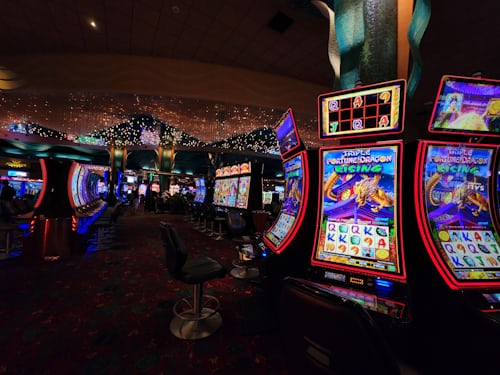
However, the economic benefits are often accompanied by complex challenges. While casinos can enhance local economies, they can also lead to increased living costs, making it difficult for some residents to afford housing. Additionally, the dependency on casino revenue can create instability; economic downturns that affect tourism can hit local economies hard, leading to job losses and decreased spending. As such, it is crucial for communities to find a balance between reaping the benefits of casino revenues and safeguarding against potential economic pitfalls.
Moreover, there is a significant social cost associated with the economic influx generated by casinos. With increased traffic and tourism, local infrastructure must adapt, leading to possible strain on public services. For example, law enforcement agencies might face higher demands due to increased crime rates associated with gambling. Thus, while casinos can offer economic advantages, their implications extend beyond simple financial metrics, affecting community structure and daily life.
The Social Dynamics of Casino Culture
The culture surrounding casinos is multifaceted, influencing how people perceive gambling and recreation. In many societies, casinos are seen as entertainment hubs, places where individuals can unwind and socialize. The vibrant atmosphere of gaming floors and the allure of high-stakes betting create an exciting environment that attracts diverse populations. This aspect of casinos can foster social interactions and community gatherings, offering a space where people from different backgrounds can come together.
However, this socialization can have adverse effects, particularly concerning gambling addiction. The thrill of gambling can lead some individuals down a path of financial ruin, affecting not only themselves but also their families and communities. The normalization of gambling in popular culture—often romanticized in films and television—can contribute to a lack of awareness regarding its potential dangers. This dynamic can create a social stigma around discussing gambling issues, further complicating the situation for those who may need help.
Furthermore, the role of casinos in shaping social identity cannot be overlooked. They often reflect broader societal trends and shifts in values, from the increasing acceptance of gambling to the growing emphasis on responsible gaming. As societies grapple with the implications of gambling, the conversation around casinos becomes a lens through which we examine our values, aspirations, and the complexities of human behavior. This reflection can drive efforts to create more responsible gaming environments and support structures for those affected by gambling-related issues.
The Psychological Effects of Gambling
The psychological impact of casinos is profound, influencing not just individual behavior but also the collective mindset of society. Gambling can evoke a range of emotions, from excitement and euphoria to anxiety and despair. For many, the thrill of winning creates a high that can lead to repeated engagement in gambling activities. This cycle can foster compulsive behavior, leading to gambling addiction, which has devastating consequences for individuals and their families.
Moreover, the design of casinos is meticulously crafted to encourage longer play. With elements such as bright lights, engaging sounds, and the absence of clocks, casinos create an environment that can warp a player’s sense of time and reality. This psychological manipulation can keep individuals engaged longer than they might initially intend, contributing to the risk of developing gambling problems. Research indicates that the psychological rewards of gambling can be comparable to those derived from substance use, leading to a similar cycle of addiction.
Additionally, the psychological implications extend to broader societal attitudes towards gambling. As casinos become more integrated into mainstream culture, the normalization of gambling can desensitize the public to its potential risks. This shift in perception can make it challenging for individuals struggling with gambling-related issues to seek help, as societal attitudes may not adequately acknowledge the severity of the problem. Thus, understanding the psychological effects of casinos is essential for developing effective prevention and treatment strategies.
The Role of Regulation and Responsible Gambling Initiatives
Regulation plays a crucial role in shaping the casino landscape, influencing how gambling is perceived and managed in society. Governments are tasked with creating frameworks that ensure the integrity of gaming operations while protecting consumers from potential harms. This includes implementing strict licensing requirements, monitoring practices, and promoting responsible gambling initiatives. The aim is to mitigate the risks associated with gambling and create a safer environment for players.
Responsible gambling initiatives are becoming more prevalent as awareness of gambling addiction grows. These programs often include self-exclusion options, educational resources, and support networks for individuals seeking help. Many casinos have begun to incorporate responsible gambling messages into their marketing, aiming to promote a balanced approach to gaming. This shift not only protects consumers but also enhances the reputation of casinos as socially responsible entities within their communities.
However, despite these efforts, challenges remain in effectively regulating the industry. The rapid growth of online gambling and the accessibility of casino platforms have outpaced regulatory frameworks in many regions. As a result, issues such as underage gambling and irresponsible marketing practices continue to pose significant challenges. It is crucial for authorities to stay ahead of these trends to ensure that the social implications of casinos are managed responsibly and ethically.

The Future of Casinos in Society
As society evolves, so too will the landscape of casinos and gambling. The rise of online casinos and mobile gaming platforms is transforming how individuals engage with gambling. These digital avenues provide unprecedented access to gambling opportunities, appealing to a tech-savvy generation. As such, traditional casinos must adapt, potentially integrating technology to enhance the player experience while maintaining the social fabric that in-person gaming offers.
The future of casinos also lies in their ability to foster community engagement. As casinos look to position themselves as responsible corporate citizens, they may focus on initiatives that give back to local communities. This could include sponsoring local events, supporting education, and fostering economic development. By prioritizing community well-being alongside profitability, casinos can work towards changing the narrative surrounding their social impact.
Moreover, the conversation surrounding gambling will continue to evolve. As more people recognize the potential consequences of gambling addiction, societal attitudes may shift towards a more cautious approach. This could lead to greater advocacy for mental health support and public health initiatives aimed at mitigating gambling-related harms. The future of casinos in society will depend on their ability to balance entertainment with responsibility, ensuring that they contribute positively to the communities in which they operate.