
The evolution of gambling tracing its historical path through time
The evolution of gambling tracing its historical path through time
The Origins of Gambling
The history of gambling dates back thousands of years, with its roots deeply embedded in ancient cultures. Archaeological findings suggest that the earliest forms of gambling likely originated in China around 2300 BC, where rudimentary games of chance were played. These early gambling activities primarily involved simple dice and betting on the outcomes, reflecting a societal fascination with fortune and chance. To get the best experience, you can get the Glassi casino app for your mobile device, which offers a modern take on these age-old pastimes.
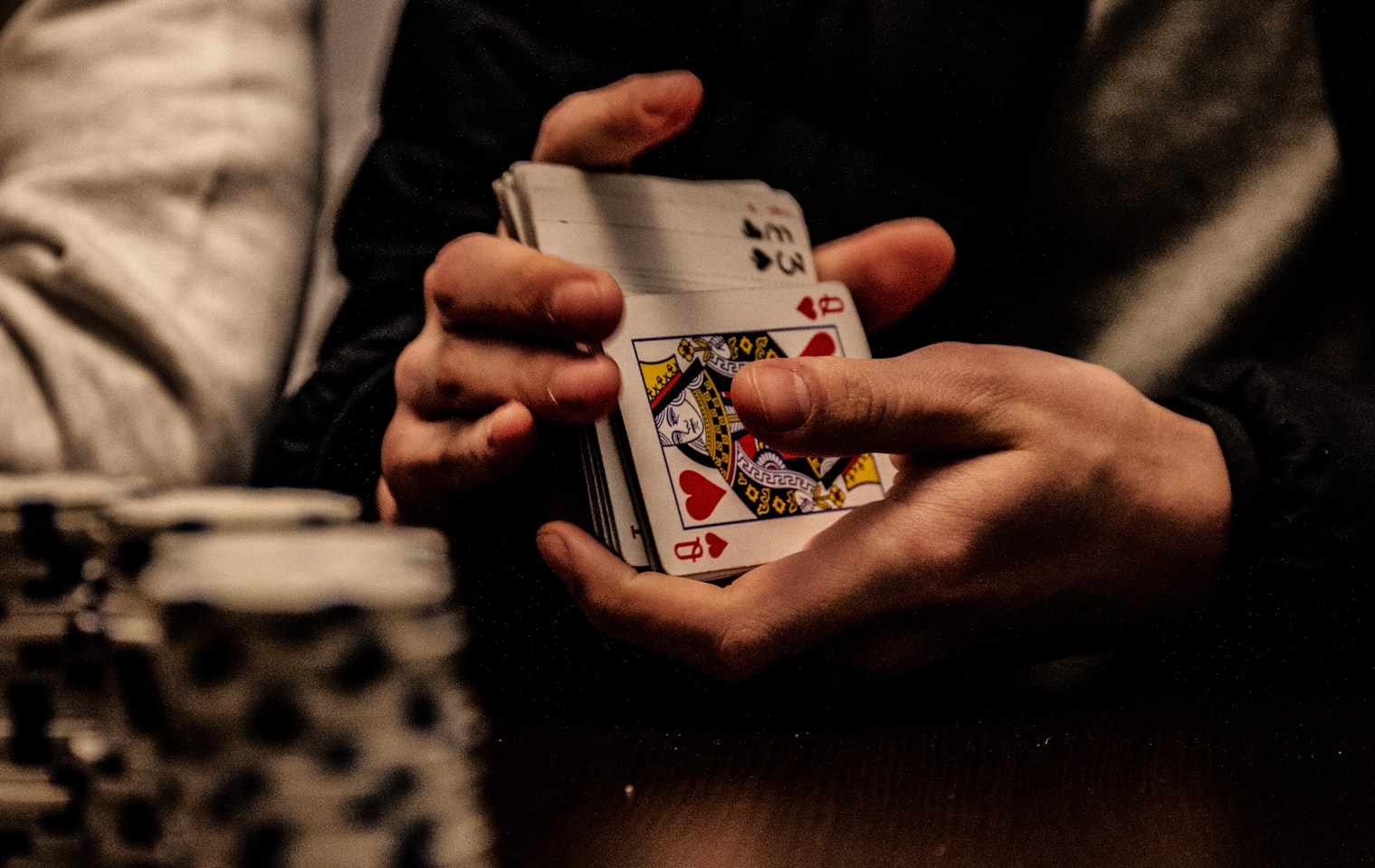
As societies evolved, so did the complexity of gambling games. In ancient Rome and Greece, gambling became more structured with organized games, often played during festivities and public events. These cultures introduced betting on athletic competitions, signifying the merging of sports and gambling, a relationship that remains vital in modern times.
The Middle Ages and the Rise of Gaming Houses
The Middle Ages marked a significant turning point in the evolution of gambling. During this period, many European countries saw the establishment of dedicated gaming houses and the formalization of gambling laws. These establishments provided a controlled environment for betting, leading to the popularity of games like dice and card games among the nobility.
As gambling gained traction, it also faced scrutiny from the church and various governments, leading to restrictions and regulations. However, these challenges did not deter the growth of gambling; instead, they pushed it underground and fueled the development of illicit gaming establishments. Despite the resistance, the allure of gambling continued to thrive, laying the groundwork for the modern gaming industry.
The Birth of Modern Gambling in the 18th Century
The 18th century heralded a new era for gambling with the establishment of the first official casinos, notably in France and Italy. These venues introduced a variety of games such as roulette and baccarat, capturing the imagination of the wealthy elite. The casino culture blossomed, and gambling became synonymous with luxury and entertainment.
During this period, the regulation of gambling also advanced. Governments began to see the potential for taxation and revenue generation from legal gambling establishments. This shift towards legalization laid the foundation for the extensive regulatory frameworks seen in today’s gambling landscape, where oversight aims to protect players and ensure fair play.
The Digital Revolution and Online Gambling
The late 20th century brought about the digital revolution, fundamentally transforming the gambling landscape. The advent of the internet in the 1990s introduced online gambling platforms, allowing players to enjoy a myriad of games from the comfort of their homes. This technological advancement democratized access to gambling, making it available to a broader audience than ever before.
With the rise of online casinos, new forms of gambling emerged, including mobile gaming apps and live dealer games, which replicate the in-person casino experience. This evolution has been pivotal in adapting to consumer preferences and has reshaped how gambling is perceived and engaged with globally.

The Contemporary Gambling Landscape and Glassi Casino
Today, the gambling industry is more dynamic than ever, with diverse options ranging from traditional casinos to innovative online platforms. The Glassi casino App exemplifies this evolution, providing a seamless mobile experience tailored to players‘ needs. With a variety of games, enticing bonuses, and secure payment options, it reflects the ongoing integration of technology in the gambling experience.
As gambling continues to evolve, the legal landscape remains a crucial aspect. Regulations are adapting to ensure responsible gaming and player protection, particularly in the online sphere. The Glassi Casino platform is committed to adhering to these legal standards, ensuring that players enjoy their gaming experience safely and responsibly.